
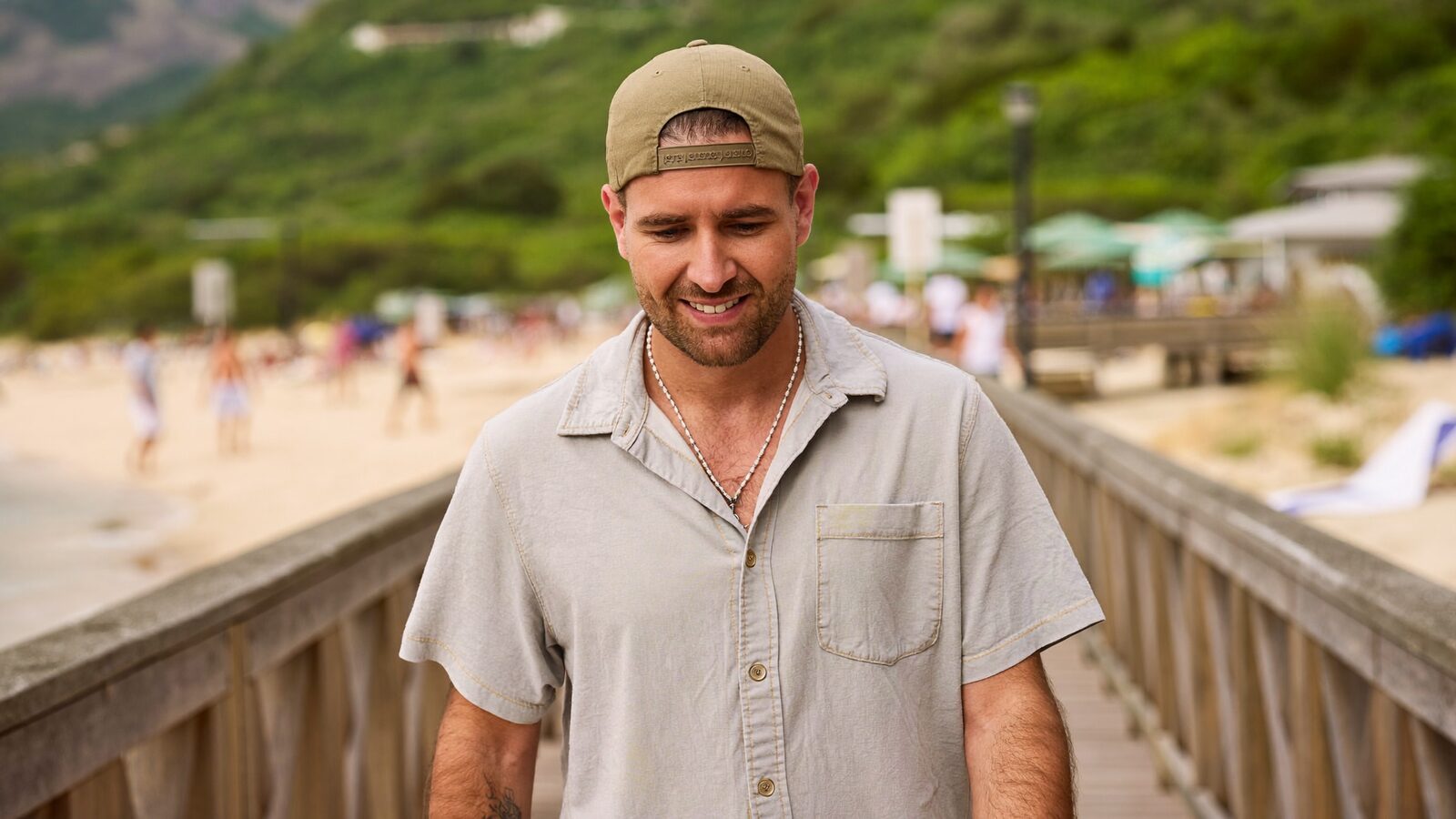
Once the procedure is booked, the questions shift from grafts to ordinary life. When can I wear a hat after hair transplant surgery? When can I get back to the gym, jump in the ocean, have a beer with dinner or sleep next to my partner without worrying? Each of these has its own typical window, and they do not all open on the same day.
This guide goes activity by activity so you can plan a summer, a vacation or a training block around your procedure. Every timeline below is typical, not a rule. Your clinic hands you written aftercare on surgery day, and when it says something different from a blog post, the written sheet wins. For the medical side of healing, our hair transplant recovery page covers what is happening under the skin.
Why Different Activities Have Different Waiting Periods
Every restriction after surgery protects against one of four things: pressure, friction, moisture or heat. A new graft sits in a tiny opening in the scalp, and for roughly the first week to ten days it is held in place mostly by a fragile seal of fibrin and early tissue. Anything that rubs, presses, soaks or overheats that area during this stage can loosen a graft before it settles.
After about ten days, most grafts are anchored. From then on, the concerns shift toward sun damage, infection risk from dirty water and general irritation of skin that is still pink and healing. That is why a soft cap is allowed long before a tight helmet, and a gentle walk long before a crowded swimming pool. If you want the full calendar of the first two weeks, our day-by-day recovery guide walks through it; this article focuses on the activities themselves.
Hats, Caps and Helmets: A Week-by-Week View
Hats are the most common question because nobody loves showing a freshly treated scalp at the grocery store. The good news is that a loose cover is usually allowed early. The catch is the word loose.
- Days 1 to 3: Many clinics provide or suggest a very loose, soft covering for the ride home and short errands. It should sit above the grafts without touching them. Put it on and take it off slowly with both hands, lifting straight up rather than dragging it backward.
- Days 4 to 10: A roomy bucket hat or an adjustable baseball cap opened to its loosest setting is usually acceptable for short outings. Avoid fitted caps, beanies and anything with a stiff inner band across the hairline.
- Days 10 to 14: Most patients can wear a normal cap for longer periods. Keep it clean, since a sweaty band sitting on healing skin invites irritation.
- Week 3 onward: Snug beanies, hard hats and most helmets are typically fine, provided the scalp has healed well at your follow-up check.
Motorcycle, bike and ski helmets deserve their own note. They grip the scalp firmly and trap heat, so most clinics ask patients to wait two to three weeks, sometimes longer if grafts were placed where the padding presses hardest. If you ride to work, plan another way to get there for a while. People with hard hat jobs will find more detail in our guide on going back to work after a hair transplant.
A simple hat test: If you can slide two fingers between the band and your forehead without lifting the hat, and nothing rubs the treated area when you turn your head, it is probably loose enough for the first week. If you feel pressure, leave it at home.
Sun, Wind and Weather
Fresh grafts and a healing donor area do not handle strong sun well. A sunburn on recovering skin can add redness, slow healing and leave patches that stay pink for weeks. For the first two weeks, most patients are told to keep direct sun off the scalp and use shade and a loose hat instead of sunscreen, because rubbing lotion onto new grafts is its own problem.
After about two weeks, once your clinic gives the go-ahead, a gentle mineral sunscreen is often allowed. Through the first few months, many people keep a hat handy for long days outdoors. A July afternoon on a Shore beach or a full day at a ballgame is a lot of exposure for skin that is still settling down.
Weather matters in other ways too. Heavy wind blows grit onto the scalp, and a downpour on day three is not ideal either. An umbrella and a loose hood solve most of it. In winter, cold air is not a threat in itself, but a tight wool hat is, so choose a loose cover until your clinic says otherwise.
Exercise and the Gym
Exercise raises blood pressure and makes you sweat, and both can cause trouble in the first days. Higher pressure can bring on light bleeding at the recipient sites, and sweat carries bacteria into tiny openings that have not closed yet. Bending, straining and heavy lifting also push blood toward the head and can increase swelling around the forehead.
| Activity | Typical earliest return | Main concern |
| Easy walking | Day 2 or 3 | Keep it relaxed and short |
| Brisk walking, light cycling indoors | About 1 week | Sweat on the scalp |
| Jogging, cardio machines | About 2 weeks | Heavy sweating, raised pressure |
| Weight training, heavy lifts | 2 to 4 weeks | Straining, blood pressure spikes |
| Yoga with inversions | About 3 to 4 weeks | Blood rushing to the head |
| Contact sports, martial arts | About 4 weeks or more | Impact and friction on grafts |
When you go back to lifting, start lighter than usual and build up over a week or two. A few people notice a little more tightness in the donor area for a while, especially after strip harvesting. With FUE in New Jersey, the donor area is usually comfortable sooner, but the recipient grafts follow the same timeline either way.
Swimming: Pools, Hot Tubs, Lakes and the Ocean
Water is where patients most often get impatient, especially when surgery lands in late spring. The issue is less the water itself than what is in it. Pool water is treated with chlorine, which can irritate healing skin. Lakes, rivers and the ocean carry bacteria, sand and salt. Hot tubs combine heat with water that many people share.
- Chlorinated pools: Usually around two weeks at the earliest, and many clinics prefer closer to four. Keep your head above water at first.
- Ocean and bays: Often about two to four weeks. Waves, sand and long sun exposure make a day at the beach harder on the scalp than a quick dip.
- Lakes and rivers: Treat them like the ocean or wait slightly longer, since fresh water can carry more bacteria than salt water.
- Hot tubs: Commonly about four weeks, because they combine heat, shared water and long soaks.
If a family trip to the Jersey Shore is already on the calendar, it usually makes sense to book surgery for after it, or at least four weeks before it. Walking the boardwalk in a loose cap is easy. Staying out of the waves while everyone else swims is the hard part.
Saunas, Steam Rooms and Hot Showers
Heat increases blood flow to the scalp and makes you sweat heavily, which is the opposite of what fresh grafts need. Most clinics ask patients to skip saunas and steam rooms for around four weeks. Showers are fine once your aftercare allows washing, but keep the water lukewarm and the pressure gentle for the first couple of weeks, and avoid pointing a strong stream directly at the grafts.
Alcohol, Smoking and Medications
Alcohol thins the blood slightly and can add to swelling, so most patients are asked to avoid it for several days before surgery and roughly five to seven days afterward. It also does not mix well with some of the medications prescribed after a procedure. After the first week, a moderate drink is usually fine, although drinking heavily while healing is never helpful.
Smoking and vaping are a bigger concern. Nicotine narrows blood vessels and reduces blood flow to the scalp just when the grafts need it most. Many clinics ask patients to stop for at least two weeks before and two weeks after surgery, and longer is better. If you take blood thinners, supplements such as fish oil or vitamin E, or anti-inflammatory pain relievers, review them with your team well before surgery day rather than guessing on your own.
Intimacy and Sex
This is a fair question that many people feel awkward asking, so here is the plain answer. Sex raises heart rate and blood pressure the same way exercise does, and it can involve contact with the pillow or headboard. For those reasons, most clinics suggest waiting about a week to ten days. After that, the main thing to watch is friction or pressure on the treated area. Choose positions that keep your head off the pillow and away from contact, and stop if you notice tenderness or bleeding. Your team is used to this question and will answer it without any fuss.
Travel, Flying and Sleeping
Most patients can fly within a few days, but long trips bring their own small risks: bumping your head on overhead bins, leaning against a seat back and wearing a hat for hours in a dry cabin. A short drive home to Monmouth or Ocean County is easy; a long flight in the first 48 hours is usually wiser to postpone.
Sleep is part of the same picture. For the first week or so, most people sleep with the head raised on two pillows or in a recliner to reduce swelling, and a travel pillow helps stop you from rolling onto fresh grafts. By about ten days, most patients can return to their normal sleeping position.
Putting It Together: Planning Around Your Life
If you remember just one thing, make it this: most restrictions ease at around ten to fourteen days, and nearly all of them are lifted by four weeks. The exceptions are strong sun and contact sports, which call for a little more caution. A few practical ways to plan:
- Check your calendar first: Weddings, beach weeks, races and tournaments are easier to schedule around than to work through.
- Pick the season: Fall and winter make hats, staying out of the water and limiting sun much easier for most people.
- Ask about your plan specifically: Crown work, hairline work and donor technique can change the advice slightly.
- Expect shedding: Around weeks two to eight, many transplanted hairs fall out as part of normal healing. Our guide to shedding after a transplant explains why this is expected.
At Nova Medical Hair Transplant New Jersey in Freehold, every patient leaves with written aftercare, and Dr. Val Prokurat, MD reviews each plan and the recovery guidance that comes with it. Follow-up visits over the next 12 months give you a chance to ask about anything from helmets to hot tubs. If you are still deciding on timing, you can reach our team and talk it through before you book.
Plan Your Procedure Around Your Calendar
Book a free consultation in Freehold and tell us what is coming up, from beach weeks to races. Our team will suggest timing and aftercare, with Dr. Val Prokurat, MD reviewing your plan.