
Hair Transplant Recovery New Jersey
A Guide to Hair Transplant Recovery in NJ
Thinking about a hair transplant but not yet sure about the details, or whether it is the right step for you in New Jersey? Healing after hair transplant surgery has become far more streamlined, and that is a big part of why the procedure keeps growing in popularity.
Hair loss is a common concern, and the simplicity of the recovery process greatly improves the attractiveness of hair transplant procedures. How long recovery takes, and what it feels like, depends on the technique used. In most cases the first phase lasts 7 to 10 days, with some mild discomfort and swelling that is usually easy to manage. Keep in mind that the full benefit of a hair transplant shows up gradually over several months as the new hair grows in.
Our team will keep a close eye on your progress to make sure you are healing properly. What you do in the opening days of recovery has a real effect on how well the procedure succeeds, so follow our instructions carefully and look after yourself to get the best possible result.
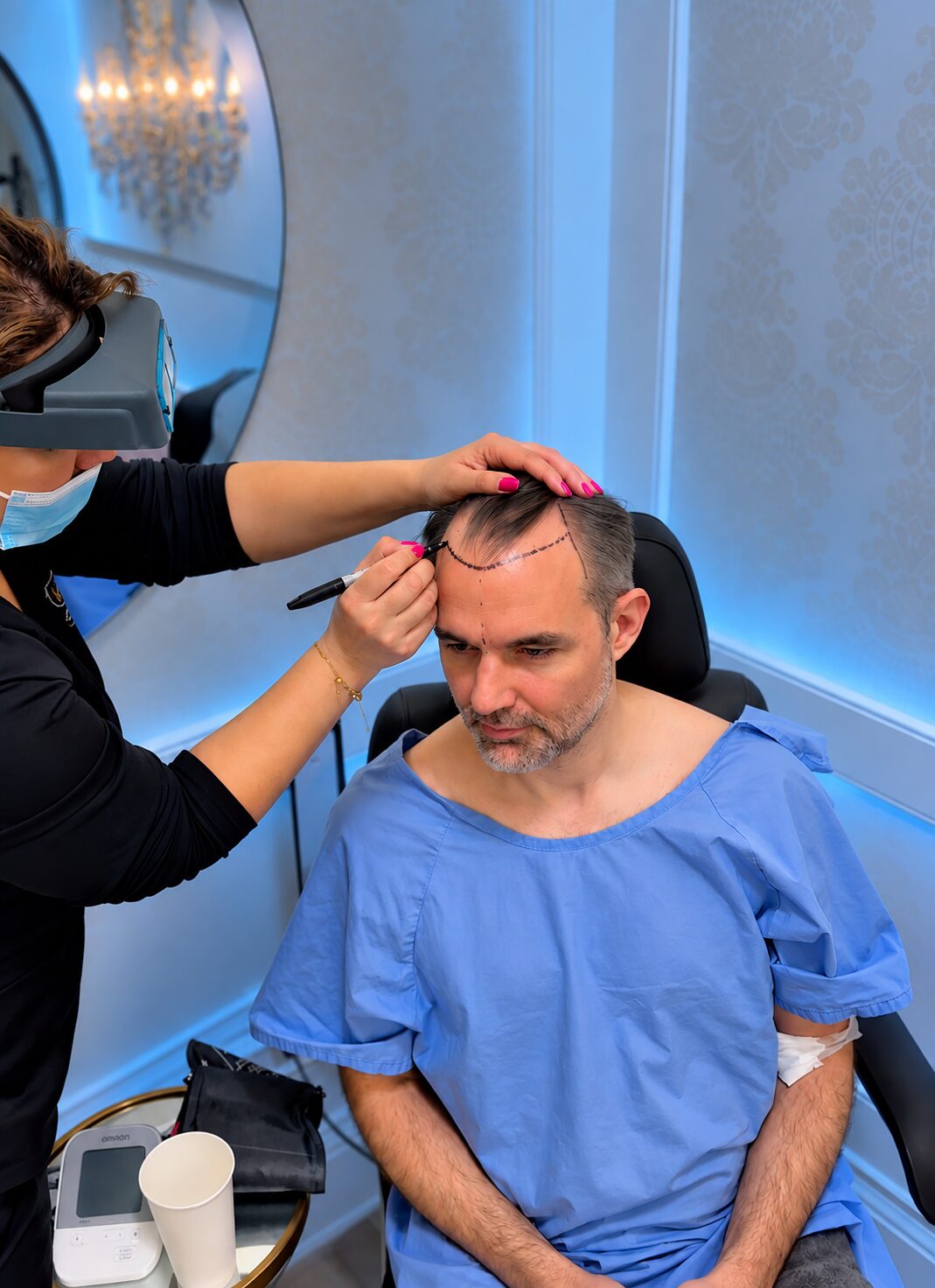
Before & After Gallery
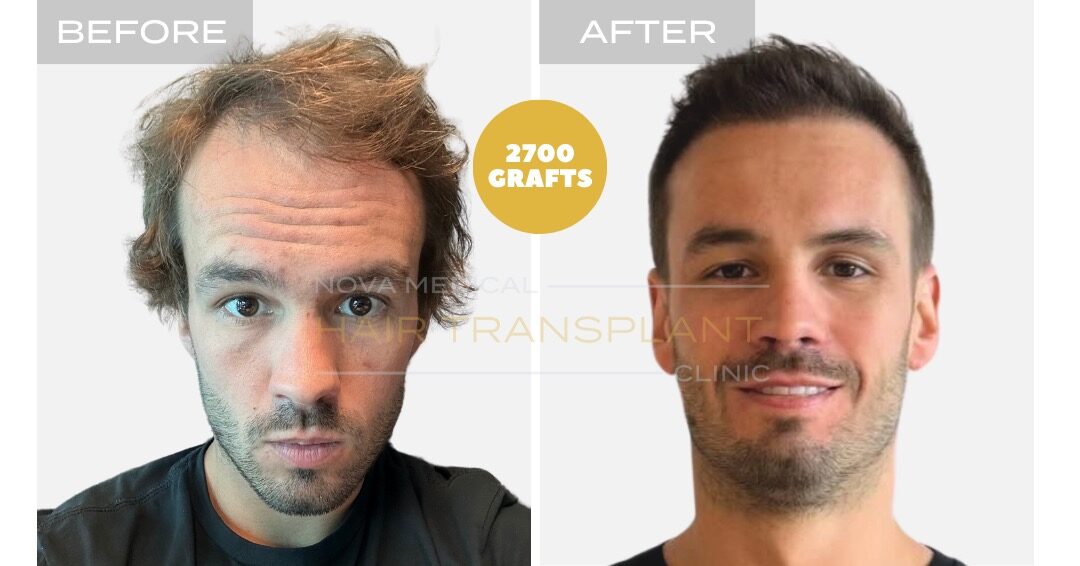
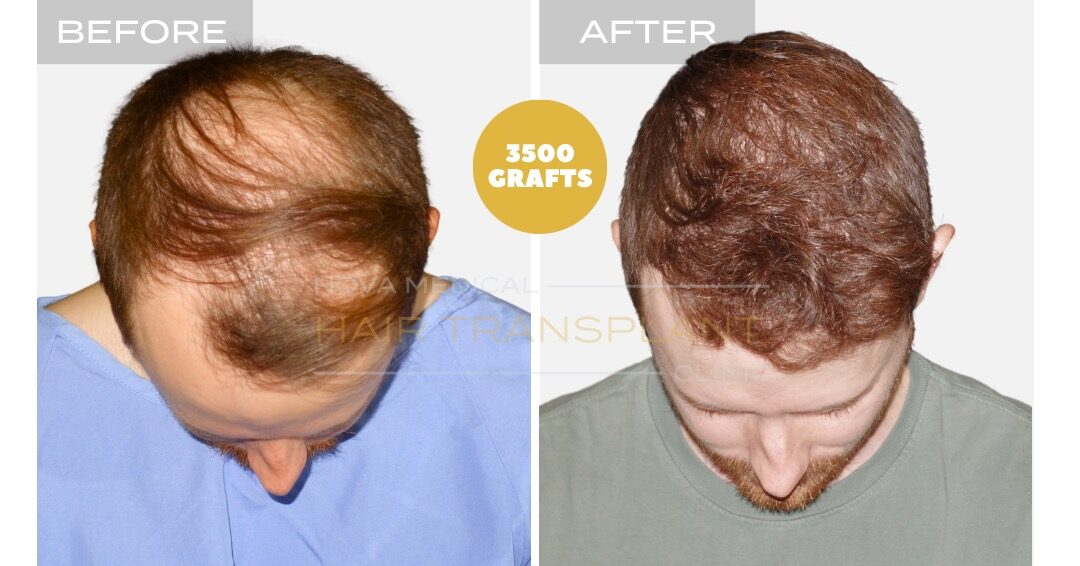
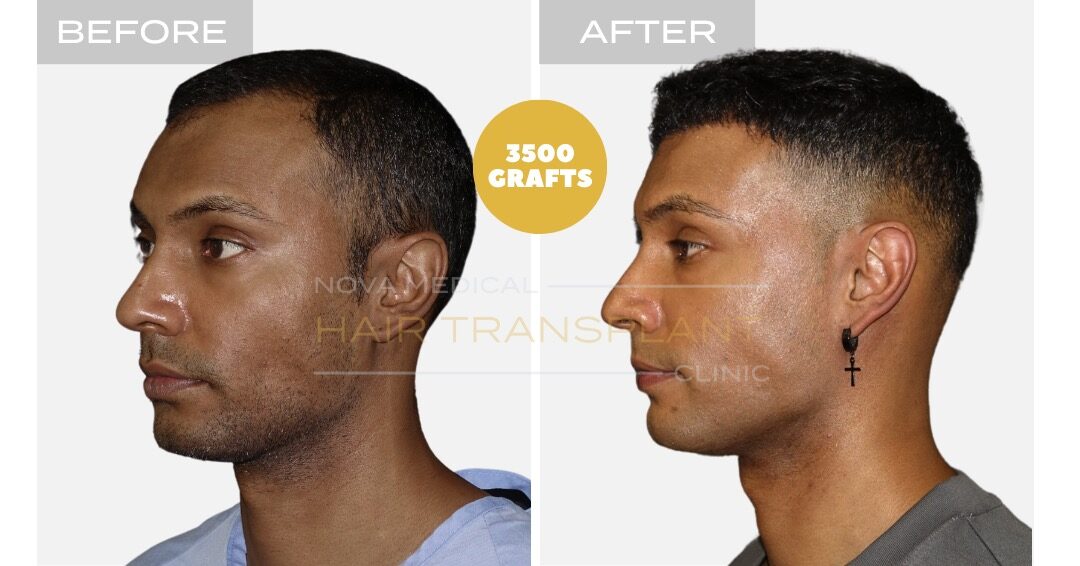
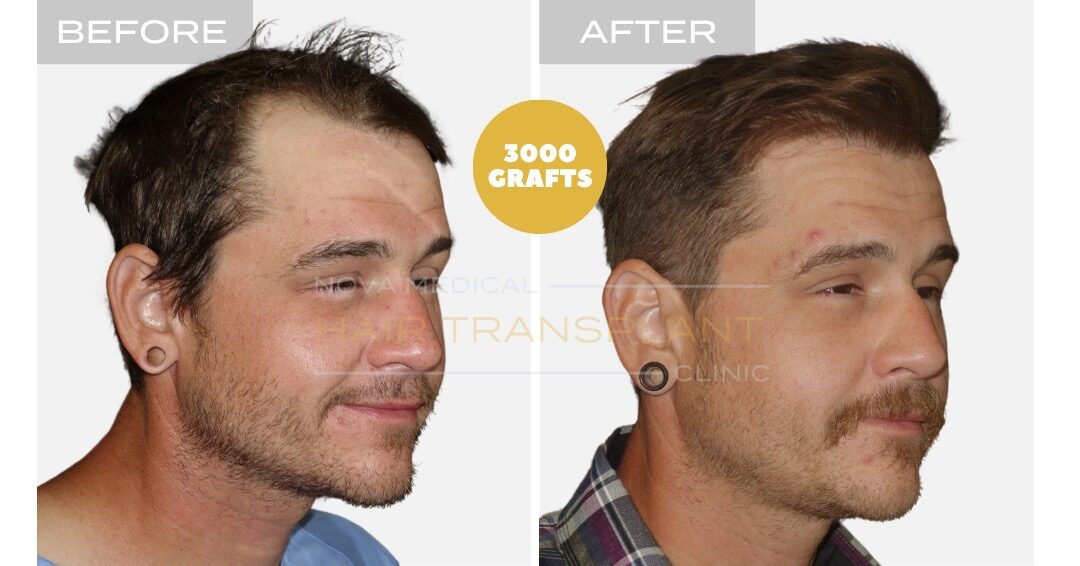
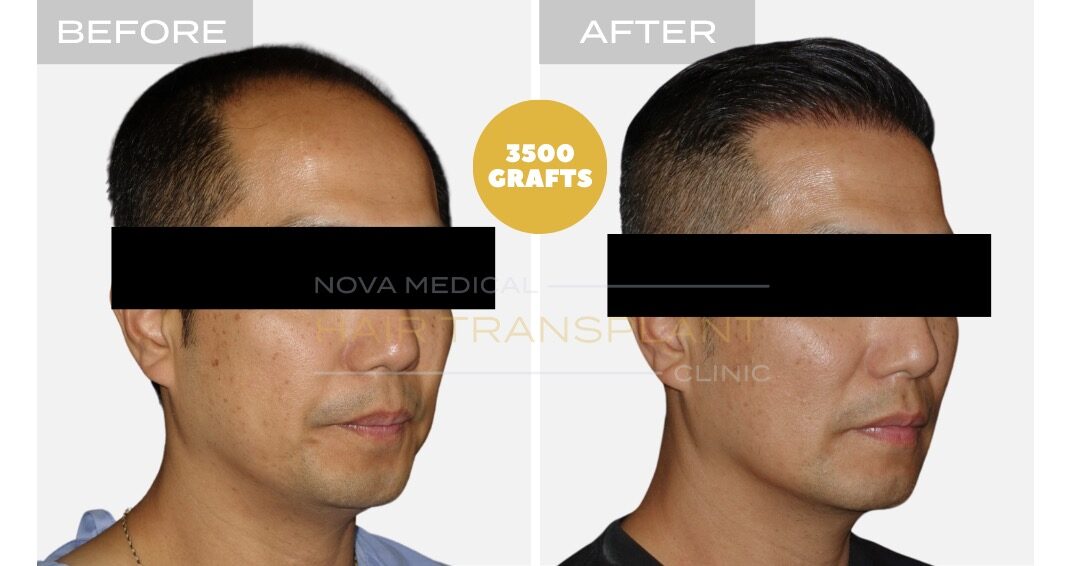
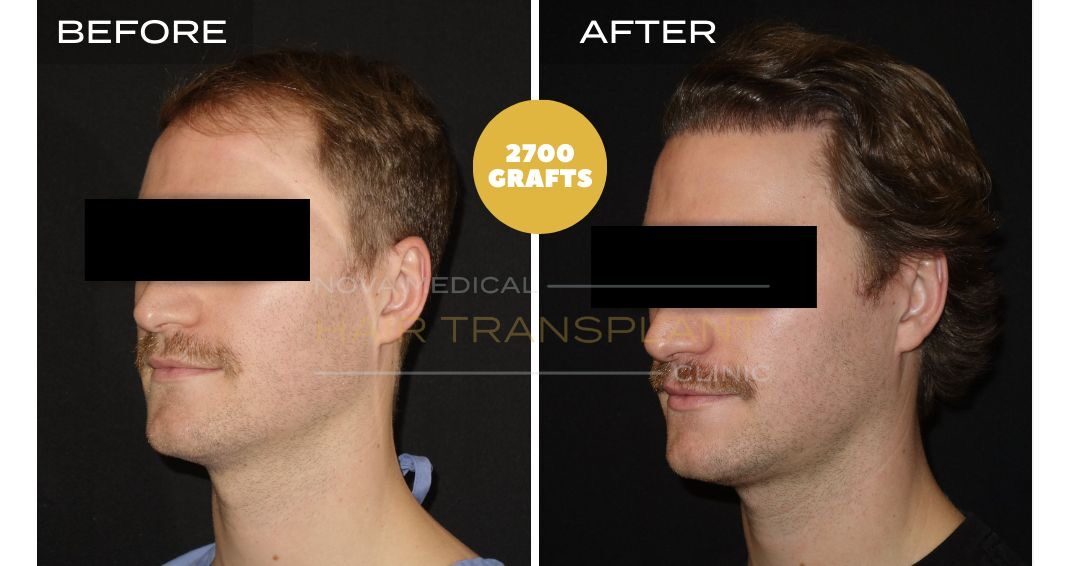
Healing After Surgery, Stage by Stage
Every scalp heals at its own pace, but most Freehold patients follow a similar pattern. Here is what to watch for and how to care for the grafts at each point.
The day after your procedure, you might experience mild discomfort and some swelling in the scalp area. Small scabs or a light crust may form where the grafts were placed. Before you leave, we hand you a written care plan: lukewarm rather than hot water, a mild shampoo, and care with anything that could bump or rub the treated area.
Put hard physical effort, from lifting heavy objects to intense workouts, on hold for the period we specify. At Nova Medical Hair Transplant New Jersey, we stay focused on your recovery and keep the lines of communication open at every stage of your journey.
As you reach the one-week mark in your hair transplant recovery in New Jersey, you’ll begin to witness noticeable healing progress. Remember that it happens gradually. By now, most of the early swelling or discomfort has eased, and the little crusts at the graft sites are usually loosening and starting to come away.
Our team at Nova Medical Hair Transplant may advise a gentle shampoo for scalp care during this period. Just as important: keep your fingers off the scabs, however itchy they get, since that can disrupt the newly transplanted grafts. Avoid activities that make you sweat or could injure the scalp. Some patients notice hair shedding at this point; it is a normal phase of recovery and does not mean anything has gone wrong.
As you reach the one-month mark after your hair transplant in New Jersey, you may spot the first signs of new growth, which can be very encouraging. The grafts are bedding in, and your scalp may feel itchy or sensitive. Keep following the guidance from our specialists: continue with a gentle shampoo, leave the scalp alone instead of scratching it, and avoid activities that cause sweating or could knock the treated area. Shielding your scalp from prolonged sun, for example with a hat outdoors, may also be recommended.
Shedding in this phase is a normal part of the process as the new follicles go through a transition, and it marks the start of the new growth cycle. Careful scalp care and sticking to your post-operative instructions lay the groundwork for strong growth and a denser, healthier head of hair in the months ahead.
Around the half-year point most patients can see real coverage in the mirror. Strands are still thickening and darkening, so the look keeps improving from month to month.
As you mark the one-year milestone since your hair transplant in New Jersey, you’re likely to see substantial change: plenty of new growth and much better coverage. The moved follicles have fully adapted and are producing strong, healthy strands, and marks or pinkness where the grafts went in should have faded considerably. This is when you enjoy the complete benefit of your hair restoration, with a refreshed, natural-looking hairline that can do a lot for your confidence. Transplant results are meant to last, but looking after your scalp and hair is what keeps them looking good for many years.
Your Hair Back?
Your next chapter starts with one free visit to Freehold.
Request a Free Consultation
No obligation • Same-week availability
What TO Do
- Keep the printed aftercare sheet from our Freehold team handy and work through it daily
- Prop yourself up on two or three pillows, or sleep in a recliner, for the first three nights
- Finish the full antibiotic course and use pain relief only as prescribed
- From day three, pour diluted shampoo over the grafts and rinse with a cup, no rubbing
- Once week two arrives, cover up outdoors with a roomy, breathable cap
- Eat protein-rich meals and keep a water bottle within reach to help tissue repair
- Allow the crusts to loosen during washing and come off by themselves
- Come back for your scheduled check-ins so we can photograph and track growth
What NOT To Do
- Skip the gym, running and anything heavy to lift for 14 days
- Keep away from chlorine, salt water at the Jersey Shore and hot tubs for a month
- Do not spend long stretches in strong sunlight for the first month
- Hold off on beer, wine and spirits for the first seven days, as alcohol can increase bleeding
- Stop smoking and vaping while healing, since nicotine restricts circulation to the scalp
- Resist the itch: no fingers, combs or brushes on the recipient area for 14 days
- Avoid fitted caps, motorcycle or bike helmets and headbands for three weeks
- Put coloring, perms and relaxers on hold for six weeks or more
Your Growth Milestones
Five checkpoints that map the road from surgery day to a finished result.
Day 0-14
Grafts Lock Into Place
Week 2-4
Expected Temporary Shedding
Month 3-4
First Fine Hairs Appear
Month 6-8
Fullness Builds Steadily
Month 9-18
Mature, Finished Result
Understanding Shock Loss
Somewhere in weeks two to four, many of the newly placed hairs come out, often while you shampoo. It looks alarming, but only the shaft is lost. The root that was transplanted stays alive in the skin, which is why surgeons treat this shedding as an ordinary step rather than a problem.
Moving a follicle sends it into a resting phase. After roughly three to four months it wakes up and starts a fresh, permanent hair. If you notice shedding on schedule, take it as a sign that healing is following the usual path.
Medication and Supplements After a Hair Transplant
When it comes to medication and supplements following a hair transplant, think about how each one could affect your recovery. Popular supplements such as ginseng, garlic pills and omega-3 fatty acids, taken for their health benefits, can thin the blood and raise the risk of bleeding. Many anti-inflammatory medications have the same effect.
Unless there is a compelling medical reason to continue them, you will likely be asked to stop these for a short time.
Tell your surgeon and surgical team about everything you take. That openness lets them weigh any risks and guide you toward a safe recovery period.
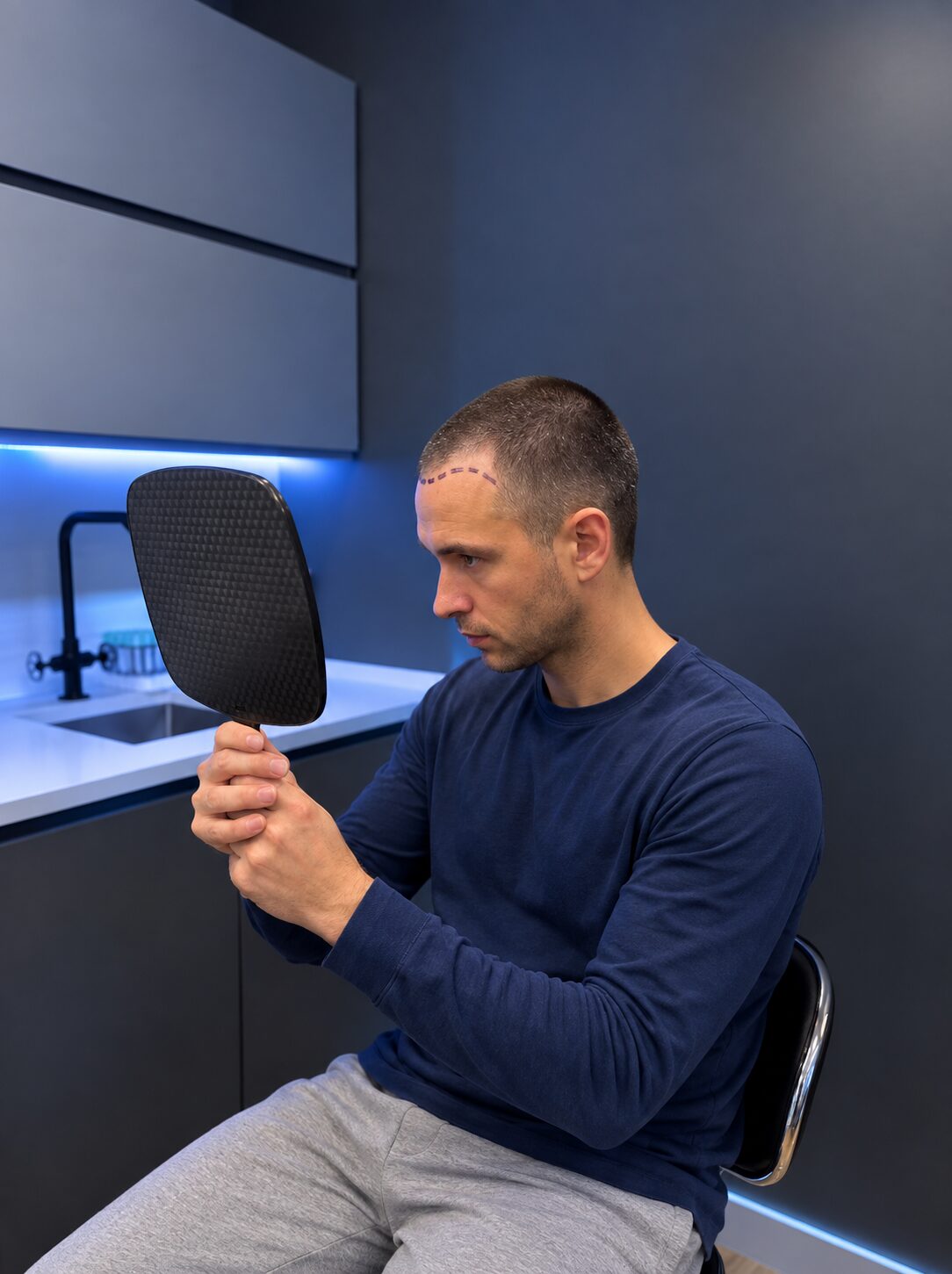
Tips For a Good Recovery After a Hair Transplant
Medications: Following your hair transplant, there are important steps to follow. You will be prescribed antibiotics to lower the chance of infection, even though that chance is already small thanks to our microsurgery techniques. Take them exactly as prescribed.
Sun Protection: Keeping your scalp out of the sun matters, especially while you recover. Put on a loose, comfortable hat when you head outdoors, and make sunscreen a year-round habit.
Gentle Hair Care: After surgery, a spray-on shampoo avoids putting strain on the delicate grafts. A few days in, you can begin rinsing softly with plain water, as long as you do not scrub hard or touch the graft area. Specialized hair growth shampoos and conditioners can add nourishing care for the scalp.
Questions come up during healing, and you never have to guess. Call our Freehold clinic at (201) 350-1777, Monday to Saturday from 7:30am to 10pm, and our team will talk you through it. Dr. Val Prokurat, MD, reviews your progress at each follow-up, and we can adjust your aftercare plan to suit how your scalp is responding.
How to Prepare for Your Procedure
-
1
Review Your Medicine Cabinet
Bring a list of everything you take to your consultation. We will tell you which blood-thinning products to pause and for how long before surgery day.
-
2
Hair Coloring
If you normally color your hair, stop one to two weeks ahead of the procedure and wait 6 to 8 weeks after it. When you start coloring again, pick gentle, safe products, and only once your surgeon has approved it. You will also get personal guidance that reflects your health, how your procedure went and what you need.
-
3
Come In Freshly Washed
Shampoo and dry your hair at home on the morning of surgery, skip gels or sprays, and wear a button-up shirt you will not need to pull over your head.
Nova Medical's Board of Surgeons
The physicians below guide the standards that shape every aftercare plan written for our New Jersey patients.
Dr. Jeffrey Spiegel
Boston, USA - Facial plastic surgeon and founder of The Spiegel Center, known internationally for his work in facial aesthetics and hair restoration.
Dr. Val Prokurat
Freehold, New Jersey - Dr. Val Prokurat, MD, directs hair restoration at the Nova Medical clinic in New Jersey and reviews each patient's healing at follow-up visits.
Dr. Adam Rubinstein
Florida, USA - Plastic surgeon certified by the American Board of Plastic Surgery, with advanced training in aesthetic plastic surgery.