
DHI Hair Transplant New Jersey
What Is a DHI Hair Transplant?
A DHI hair transplant in New Jersey is one of the implantation options our Freehold team can build into your hair restoration plan.
Hair restoration continues to evolve, with new techniques enhancing precision and improving patient outcomes. Follicular Unit Extraction (FUE) has long been the preferred method for achieving natural-looking hair transplants, but some clinics now incorporate Direct Hair Implantation (DHI) as part of the implantation process.
While DHI is sometimes marketed as a separate technique, it is essentially a variation of FUE that modifies how grafts are implanted. Understanding how these two approaches compare and whether DHI offers distinct advantages is key to making an informed decision about hair restoration.
Direct Hair Implantation (DHI) is often described as an enhancement of FUE rather than a completely separate technique. While FUE focuses on both extraction and implantation, DHI modifies the implantation step by using a specialized tool called a Choi Implanter Pen. With DHI, rather than first creating tiny incisions in the recipient area (as done in traditional FUE), grafts are implanted directly into the scalp in one continuous step. This is meant to reduce handling of follicles and streamline the process. In Freehold, we treat the pen as one more instrument in the kit: your grafts are still harvested the FUE way, and the implanter is used where its control over angle and depth genuinely helps your result.

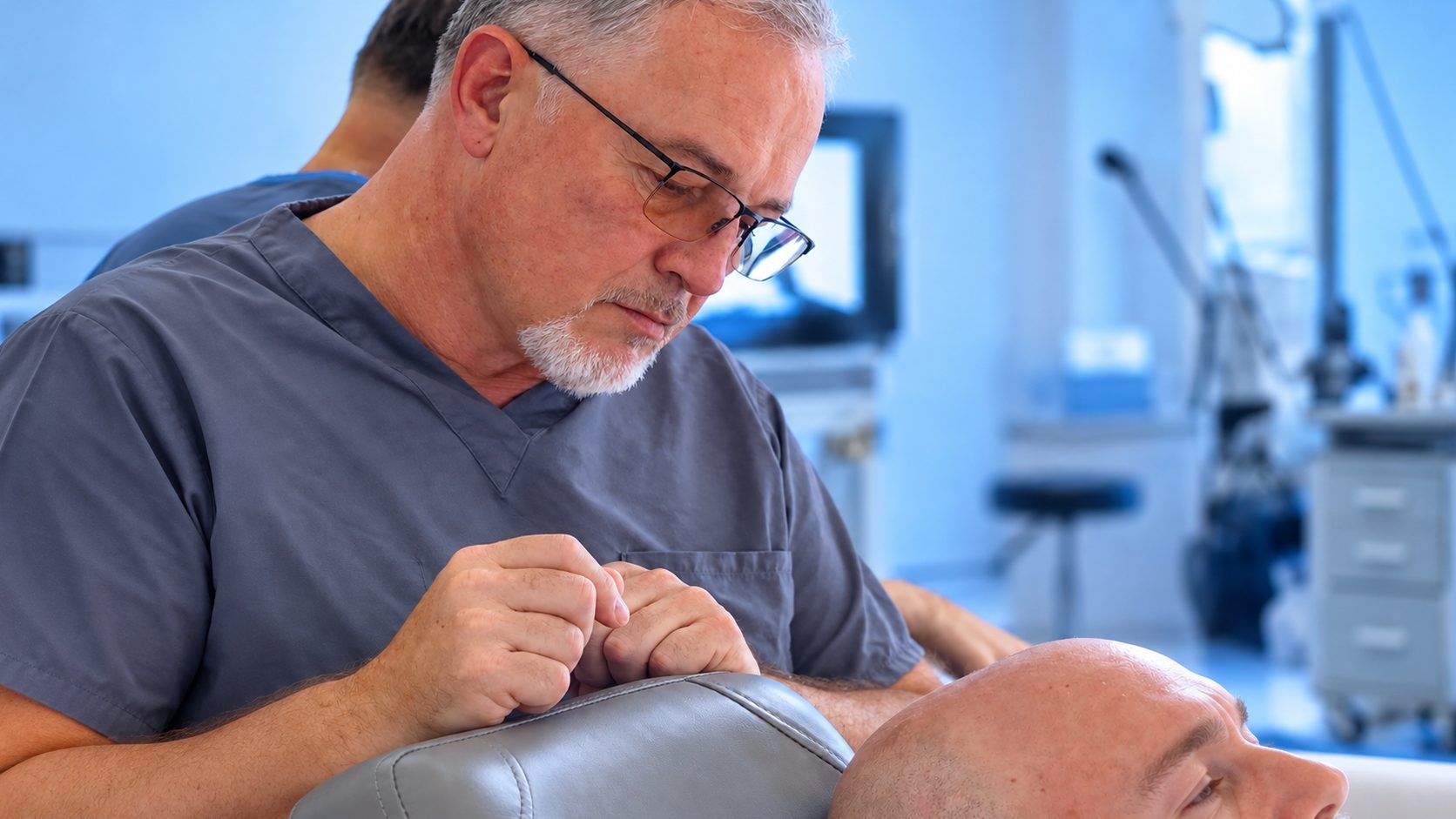
Before & After Gallery
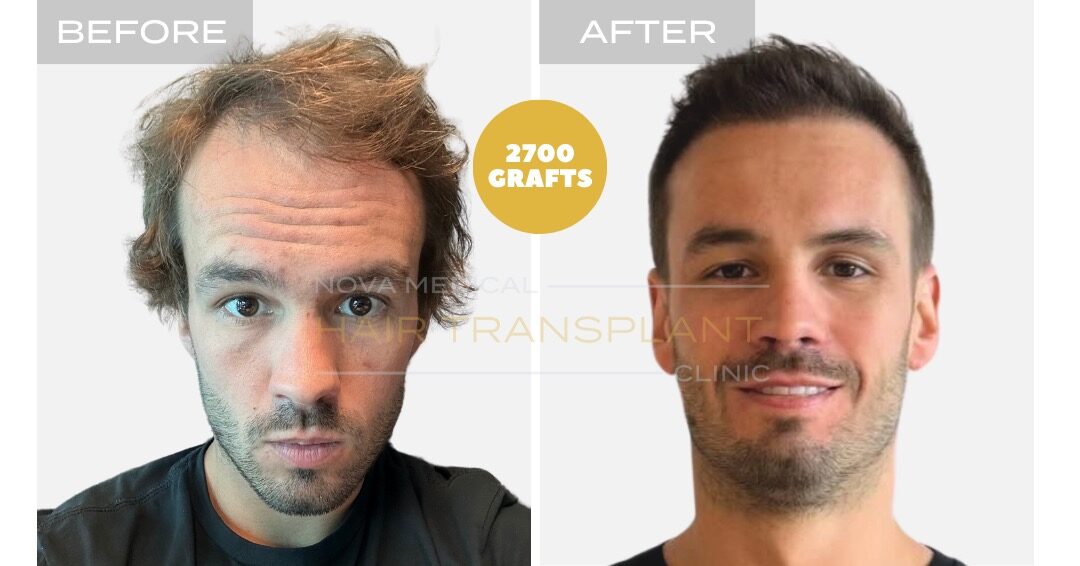
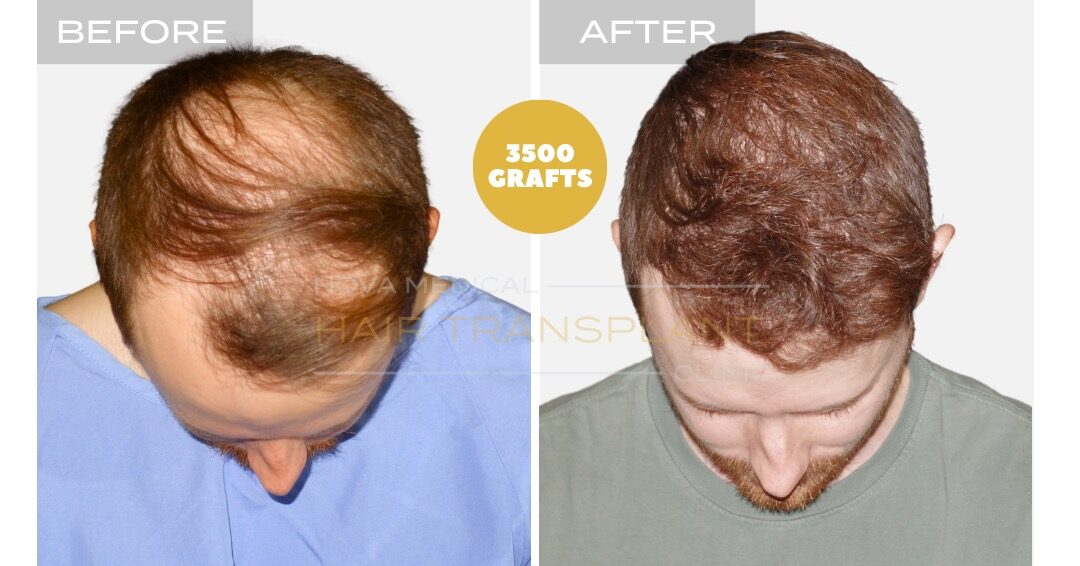
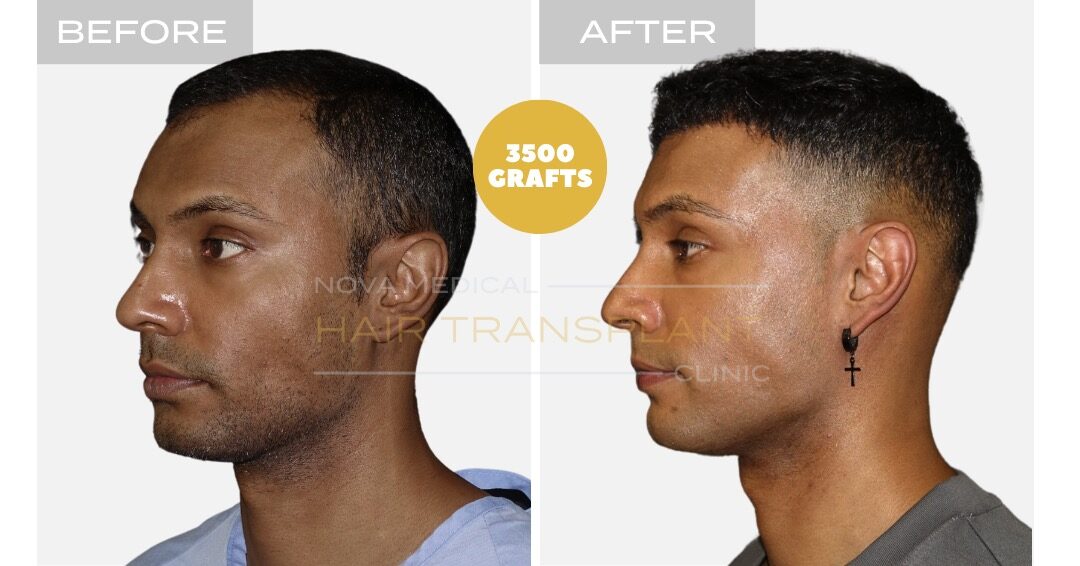
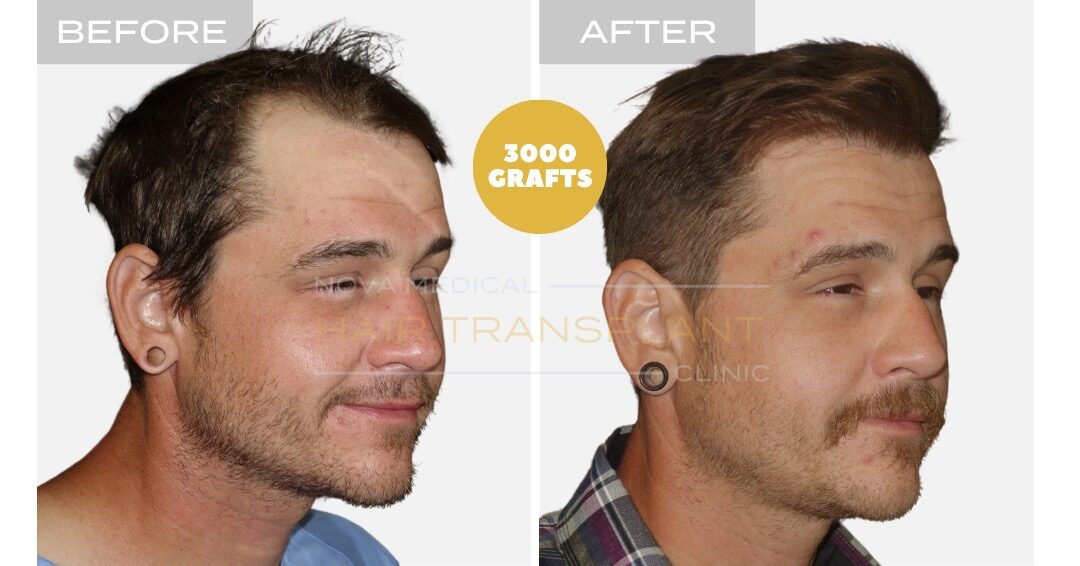
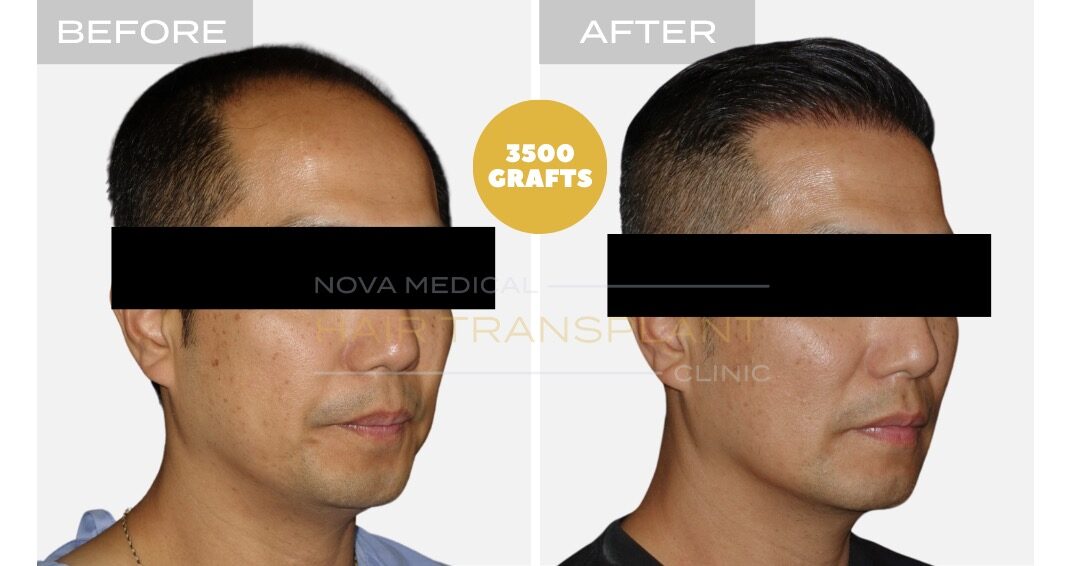
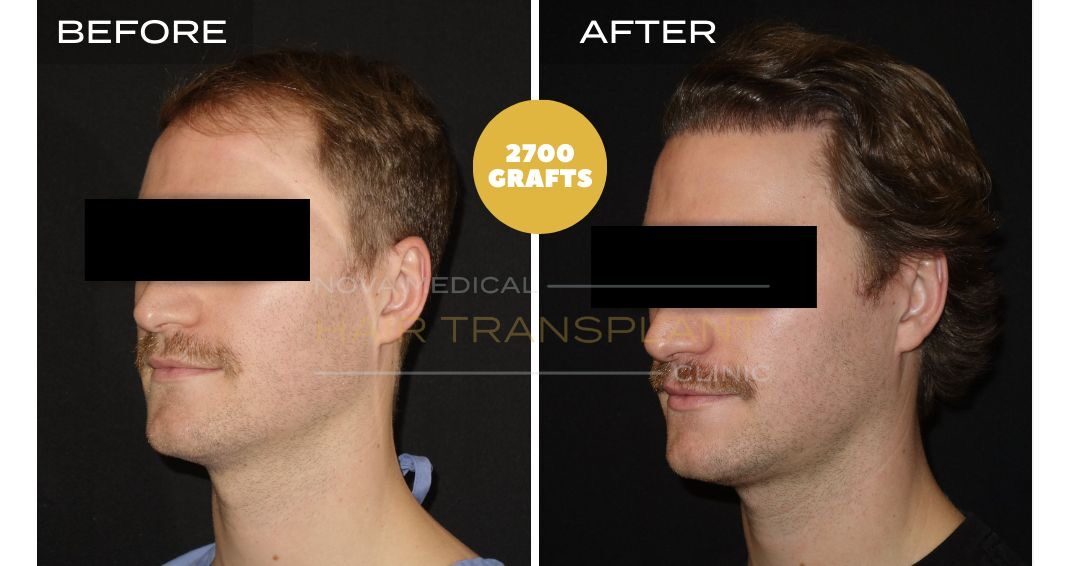
Benefits of DHI in New Jersey
Many reputable clinics continue to use FUE as the primary technique while integrating certain aspects of DHI for refined results. At our Monmouth County clinic, that blended approach can give you:
Improved Hairline Restoration
For some cases, implantation pens may be used to fine-tune the placement of hairline grafts.
Minimally Invasive Techniques
Clinics ensure that regardless of the tools used, the process prioritizes natural growth patterns and optimal healing.
Shorter Time Out of the Body
When a loaded pen goes straight into the skin, a graft waits less between harvest and placement, which favors healthy regrowth.
Back to Work Within Days
Most patients who drive in from around the state are comfortable returning to desk jobs within a few days of treatment.
No Linear Scar
Grafts are taken one at a time, so there is no strip wound to suture and no line to hide if you later wear your hair short.
More Precise Graft Placement
Some surgeons use specialized implantation tools to achieve accurate angles and density.
Light Handling, Low Risk
Grafts are touched as little as possible and the skin is opened only where a hair goes in, keeping infection and visible marks unlikely.
Suits Targeted Work
Temples, a front hairline or a small crown patch are the kinds of zones where pen placement tends to earn its keep.
Feeling Like Yourself Again
Patients often tell us the biggest change is not in the mirror but in how relaxed they feel in photos, meetings and wind.
One Plan Per Scalp
Graft count, pen or forceps, and hairline shape are decided case by case after we have examined your donor area.
How Does a DHI Transplant Work?
Here is what happens on the day at our Freehold clinic:
- Numbing and harvest: after local anesthetic, single follicular units are lifted from the back and sides of the head, the zone that resists pattern balding.
- Sorting: grafts are checked under magnification and grouped by how many hairs each one carries.
- Loading: a technician seats each graft inside the hollow needle of a Choi-style implanter.
- Placement: the pen is pressed into the thinning area and the plunger releases the graft, setting its depth, direction and angle in a single move.
- Final check: the planned pattern is reviewed before you leave, and Dr. Val Prokurat, MD, oversees the plan from start to finish.
Who Is a Good Fit for DHI in New Jersey?
Pen implantation tends to suit people who are:
- Rebuilding a hairline: the front edge is where angle and spacing are most visible, so fine control matters most there.
- Treating a defined area: receding temples or a small bald spot rather than a whole scalp.
- Keeping existing hair: adding grafts between native hairs without disturbing them is easier with a pen.
- Working with a solid donor area: enough healthy hair at the back and sides to supply the grafts needed.
- Realistic about timing: willing to wait the better part of a year for the full result to show.
Request a Free Consultation
No obligation • Same-week availability
DHI vs. FUE
FUE is widely recognized as the gold standard in hair transplantation due to its ability to produce seamless, natural results while minimizing scarring and downtime. During an FUE procedure, individual hair follicles are carefully extracted from the donor area, typically at the back and sides of the scalp, before being transplanted into thinning or balding areas. Although DHI is sometimes presented as an advanced alternative, it comes with drawbacks that may make FUE the better choice for most patients:
- Longer procedure time: DHI takes longer due to the direct implantation method, which may not be ideal for patients requiring a large number of grafts.
- Higher cost: The specialized tools and additional time required for DHI often make it more expensive without significantly improving results.
- Less customization: While FUE allows for greater artistic control over graft placement, DHI follows a more standardized process that can lack the surgeon's expert touch.
DHI vs. FUE/FUT
The benefits of FUE include:
- Minimal scarring: Small, dot-like extraction points heal quickly and are barely noticeable.
- Natural hair growth patterns: Grafts are strategically placed to match the patient's natural hair flow and density.
- Shorter recovery times: FUE allows for a faster healing process compared to older techniques like FUT (Follicular Unit Transplantation).
- Versatility in treating different hair loss patterns
- Greater precision in placement and hairline design
- Minimal recovery time with high graft survival rates
- Ability to preserve the donor area for potential future procedures
Getting Ready for DHI in Freehold
Simple preparation makes the day easier:
- Two weeks out: tell us about every medication and supplement you take; some blood thinners and vitamins may need to pause, but only with your prescriber's agreement.
- One week out: stop smoking and vaping if you can, since nicotine narrows the small vessels that feed new grafts.
- Three days out: cut out alcohol and skip hair dye, sprays and fibers.
- The evening before: wash your hair normally, eat a proper dinner and aim for an early night.
- On the day: wear a button-front shirt, bring a snack and line up someone to drive you home, since a long session leaves most people tired.
Aftercare Following DHI in New Jersey
You go home with a printed aftercare sheet, a spray bottle and a soft travel pillow. For the first three nights sleep with your head raised, and keep fingers, hats and showers away from the grafts until our team gives the go-ahead.
The first gentle wash usually happens around day two or three, and we show you exactly how to do it. Check-ins follow at set points over the year so we can track how your grafts are taking hold; our recovery guide lays out the week-by-week timeline.
If something looks or feels unusual between visits, call (201) 350-1777 and a member of the Freehold team will talk it through with you.
Free ConsultationAre DHI Results Permanent?
Yes, for the hair that is moved. Follicles borrowed from the back and sides of your head are programmed to ignore the balding signal, and that stays true after they are placed with a pen in a new spot.
-
1
Why the Grafts Stay
Donor-zone follicles have low sensitivity to DHT, the hormone that shrinks follicles on top of the head, and they carry that trait with them.
-
2
The 12-Month Arc
Grafted hairs usually shed in the first weeks, restart around month three or four, and reach their final thickness somewhere between month nine and month twelve. Every scalp moves at its own pace.
-
3
Hair That Was Not Treated
Your original hair can keep thinning after surgery. Planning the hairline for the face you will have at fifty, and supporting native hair with medical treatment, keeps the overall picture balanced.
-
4
Everyday Habits
A balanced diet, steady sleep, sun protection on the scalp and staying off tobacco all help grafts and surrounding hair.
-
5
Staying in Touch
Annual reviews let us spot new thinning early and adjust your maintenance plan before it shows.
Why Patients Choose Nova Medical for DHI in New Jersey
Physician Oversight
Every DHI plan at our Freehold clinic is reviewed and overseen by Dr. Val Prokurat, MD, with the hands-on work handled by a surgical team that does hair restoration day in, day out.
The Right Tool for Each Zone
We keep implanter pens, fine forceps and magnification on hand and choose between them area by area rather than forcing one method on the whole scalp.
Unhurried Planning
Your hairline is drawn with you in the chair and a mirror in hand, and changed until it looks like you.
Designed for Decades
We place grafts with your future hair loss in mind so the result still makes sense ten and twenty years on.
A Free, Honest Assessment
If DHI is not the best route for you, we say so and explain what would serve you better.
A Calm Treatment Day
Local anesthetic, breaks when you want them and a private room with entertainment make a long session easier.
Clear Pricing
Grafts run $3.99 to $7.99 each, with no session fees and 0% financing for the first 12 months.
Learn More About DHI in New Jersey
As hair transplant technology advances, FUE remains the foundation of modern hair restoration. While DHI adds a variation to the implantation process, it does not replace the artistic skill and expert control that make FUE the preferred technique. Most procedures fall between $4,000 and $15,000 depending on graft count; see our hair transplant cost page for details.
For patients looking for the most natural results, long-term success, and a hairline that truly complements their features, the best option is FUE carried out by an experienced surgical team, with implanter pens added where they help. Book a free assessment at 222 Schanck Rd in Freehold to find out which mix suits you.