
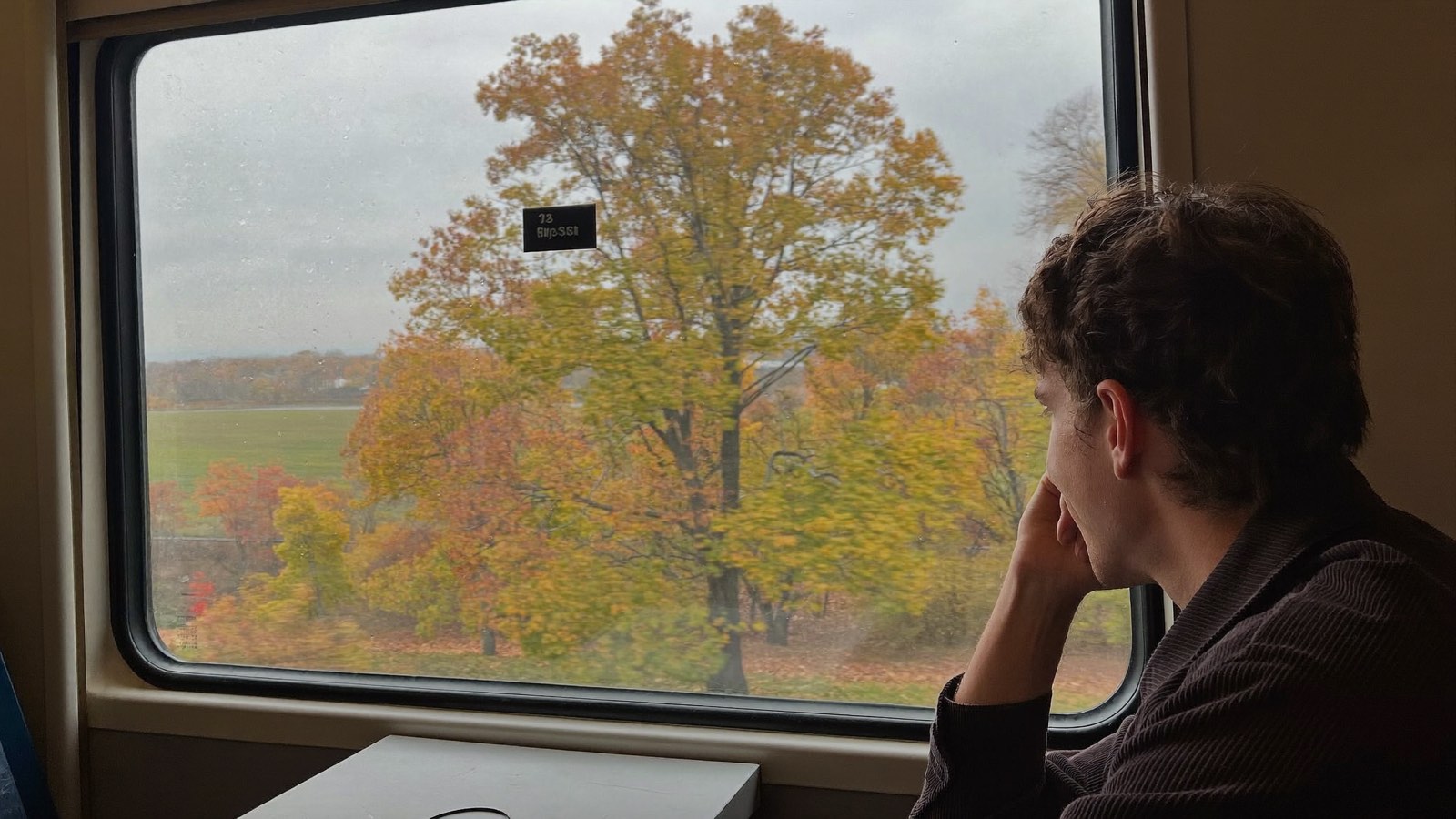
Yes, you can travel after a hair transplant, but timing depends on how you are getting there. Most people can be driven home the same day, drive themselves after about 24 to 48 hours, commute by train or bus within a few days, and take a short flight after two or three days if the trip is comfortable. Long-haul flights and trips abroad are easier once the first week has passed. Our hair transplant recovery page covers healing in full; this guide focuses on getting from place to place safely.
Travel itself does not harm grafts. What matters is protecting the new grafts from bumps, pressure and friction in the first week or so, keeping the scalp clean, and avoiding things that raise swelling. Below you will find a timeline for each kind of travel, plus practical tips for cars, trains, airports and the plane itself.
In short: arrange a ride home on the day. Drive yourself once any sedation has worn off and you feel alert, usually after a day or two. Short flights are usually fine from day two or three; long flights and international trips are easier after day seven, when grafts are more secure.
A Travel Timeline, Day by Day
Grafts are most fragile in the first few days and are generally well anchored after about seven to ten days. This table shows how most patients plan different kinds of travel. Your own instructions always come first.
| Type of travel | Usually OK from | Main precaution |
| Being driven home | Day of surgery | Recline slightly; keep your head off the headrest |
| Driving yourself | Day 1 to 2 | Only once alert and off any sedating medication |
| Train or bus commute | Day 3 to 5 | Avoid crowds where your head could be bumped |
| Short flight (under 3 hours) | Day 2 to 3 | Pack carefully; keep the scalp clear of headrests |
| Long-haul flight | Day 7 or later | Hydrate, move often, plan a travel pillow |
| Beach or pool trip | About 2 to 4 weeks | No swimming until cleared; shade the scalp |
Getting Home on the Day
Plan for someone to drive you home after your procedure. You may have had a mild sedative, and even without one, the day is long and you will be tired. In the car, sit upright or slightly reclined and keep the back of your head away from the headrest, or rest a travel pillow behind your neck so the donor area does not press against the seat. Keep the car cool, since heat can make you sweat and add to swelling.
If you live further away, consider staying close to the clinic for the first night. Many patients find it easier to rest nearby and travel home the next morning, once they have had a night's sleep with the head raised.
Driving Yourself
Most people can drive again within one or two days, once any sedating medication has fully worn off and they feel alert. Turning your head to check mirrors and blind spots can feel stiff at first, especially after FUT, so start with short, familiar routes. Avoid hats that press on the grafts, and adjust the seat so you are not leaning back against the headrest. Long drives on the Garden State Parkway or Turnpike are easier after the first few days, with stops every hour or so to stretch and drink water.
Commuting by Train or Bus
Commuting by train or bus is usually fine from around day three to five, depending on how crowded your route is. The concern is not the journey itself but the chance of someone bumping your head in a packed carriage or on a busy platform. Choose a seat where you can sit upright, keep a loose, clean cap ready if your instructions allow one, and travel outside rush hour if you can for the first week.
If your job allows remote work, a few days at home lets the most visible redness and scabbing settle before you face the daily commute.
Flying After a Hair Transplant
Short domestic flights are usually fine from day two or three, and the change in cabin pressure does not harm grafts. The practical risks are elsewhere: lifting bags into overhead bins, leaning your head against the window or seat, and bumping into other passengers in a narrow aisle.
- Pack light: use a bag you can roll and ask for help with overhead bins.
- Use a travel pillow: a U-shaped neck pillow keeps your head off the seat back.
- Stay hydrated: cabin air is dry, and water helps you feel better and limits swelling.
- Move during long flights: stand and walk every hour or so to help circulation.
- Bring your aftercare kit: keep your spray, saline or prescribed products in a clear bag, within the carry-on liquid limits.
At security, there is nothing to declare. If you need to remove a hat for screening, take it off slowly and lift it straight up rather than dragging it across the grafts.
Long-Haul Flights and Travel Abroad
Long-haul flights and international trips are easier after the first week, once grafts are secure and most scabbing has cleared. Sitting still for many hours raises the risk of swelling and, for some people, blood clots, so it helps to wait until you are moving around normally again. Hot or humid destinations add sweat and sun, which a healing scalp does not need.
If you have a big trip already booked, mention it at your consultation. It is usually simple to choose a procedure date that leaves a week or two of quiet recovery before you fly.
Hats, Sun and the Destination
Once you arrive, the same aftercare rules apply as at home. Keep the treated area out of direct sun for the first few weeks; a loose, wide-brimmed hat is usually allowed after the first week or so, but avoid tight caps that rub. Avoid swimming pools, the ocean and hot tubs until your clinic clears you, usually after two to four weeks, because chlorine, salt and bacteria can irritate the healing skin. Our guide to the hair growth timeline month by month explains what your scalp will look like at each stage, which helps if you are planning holiday photos.
Business Trips in the First Month
Work travel in the first month is usually manageable with a little planning. From about the second week, most redness has faded and short hair has started to grow over the donor area, so meetings and client visits feel easier. Between weeks two and six, many of the transplanted hairs shed, which is expected and does not affect the final result. If you are presenting or being photographed, a loose, styled cut or a cap where allowed can help. Pack your aftercare products, keep hotel showers lukewarm and gentle, and avoid hotel gyms with heavy lifting until your clinic gives the go-ahead.
What to Pack for the First Two Weeks
- Your written aftercare instructions and the clinic's phone number
- Prescribed medication and any saline spray or gentle shampoo you were given
- A U-shaped travel pillow
- A loose, clean hat for when it is allowed
- Button-up shirts, so nothing has to be pulled over your head
- A refillable water bottle
At our Freehold clinic, Dr. Val Prokurat, MD reviews every plan, and the in-house team carries out the procedure under that oversight. If you are considering FUE in New Jersey and travel a lot for work, the team can talk through which technique and date suit your schedule.
Plan Your Procedure Around Your Travel
Book a free consultation at our Freehold clinic. Tell us about any trips, flights or busy work weeks coming up, and we will suggest a date and a recovery plan that fit around them. Call (201) 350-1777.