
PRP Hair Loss Treatment New Jersey
Platelet-Rich Plasma for Thinning Hair
Our technique utilizes platelet-rich plasma, or PRP, extracted from the patient’s own blood and reintroduced into the scalp. PRP treatment for hair loss in New Jersey uses the body’s own cells to help slow down hair loss.
For numerous people, regardless of gender, watching the hairline creep back or the part widen can take a real toll on self-esteem. With many treatment options that claim to work well and be safe, choosing the right one can be overwhelming. It’s essential to make an informed choice, as it impacts both your physical well-being and self-confidence.
Our Freehold facility is built around one goal: hair that looks like it grew there on its own. Unlike some clinics that use mechanical and automated methods leading to a too-uniform hairline, our dedicated surgical team and nurses focus on achieving authentically natural results.
Alongside FDA-approved surgical interventions and prescription hair loss medications, we’re pleased to offer an innovative treatment harnessing the body’s natural growth capabilities through platelet-rich plasma. PRP treatment, increasingly popular for addressing pattern hair loss in both genders, is also suitable for other facial hair concerns, including eyebrow or beard transplants.
If you’re seeking results that look and feel genuinely natural from hair, beard, or eyebrow transplant procedures, consider reaching out to our New Jersey clinic for detailed information or to schedule a complimentary consultation. We’re ready to answer all your questions and address any concerns about our wide range of hair loss treatment options.
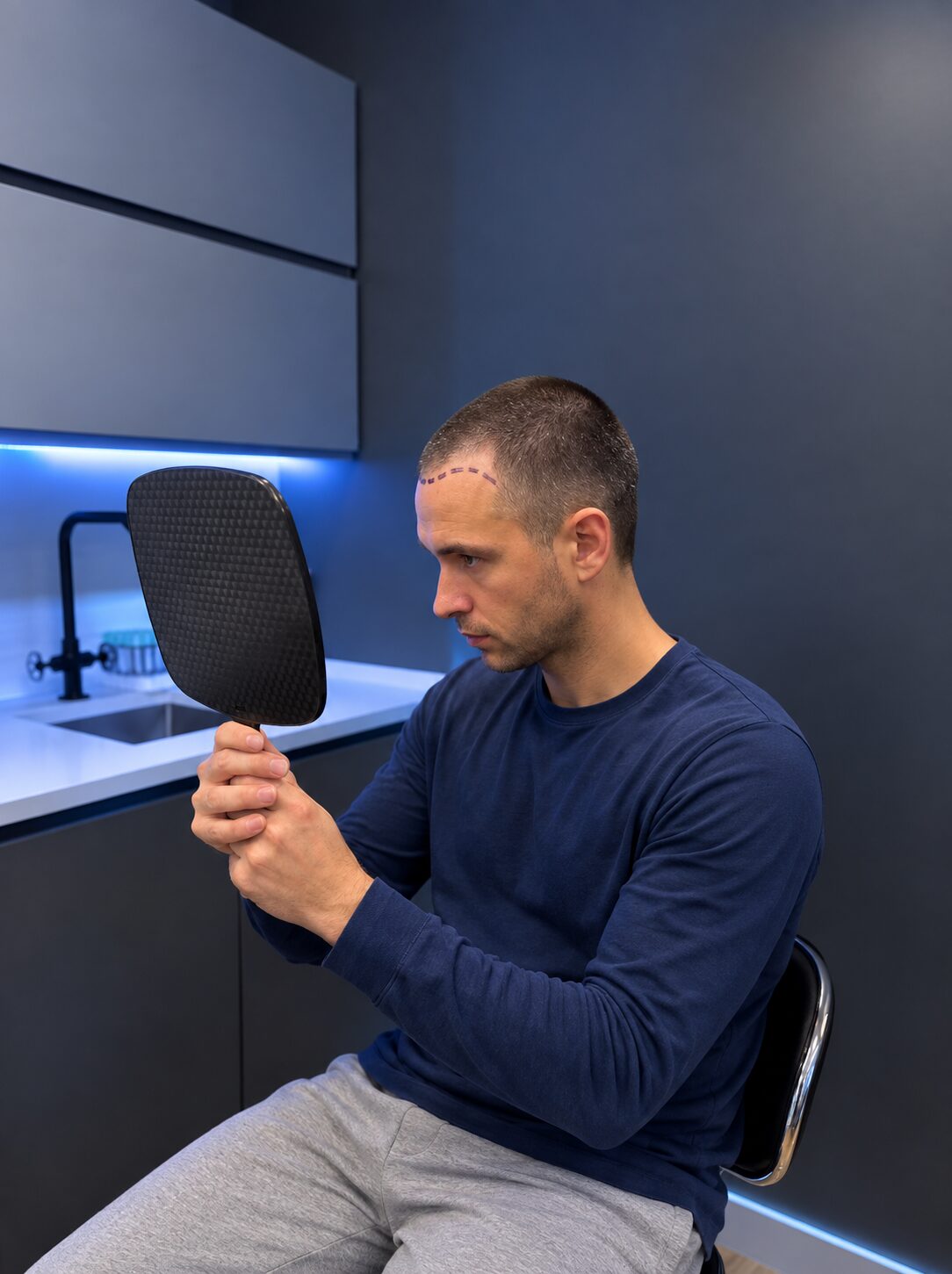
The PRP Treatment Process
-
1
Scalp & History Review
We start by mapping where the thinning sits, how fast it has changed and what medications or conditions may be involved, then give you a straight answer on whether PRP is worth trying.
-
2
Small Blood Sample
When you opt for PRP hair loss treatment at our New Jersey clinic, the first step involves drawing a small amount of your blood. This process is similar to standard blood draws you might have experienced with your primary care physician or nurse for lab tests, with blood typically taken from your arm.
-
3
Centrifuge Separation
The blood we collect is then processed in a sterile centrifuge. This high-speed device effectively separates the blood into its various components, isolating the platelet-rich plasma, which is key to the treatment.
-
4
Numbing & Injections
Before we inject the PRP into your scalp, the clinician administering the treatment will apply local anesthesia. This step is critical to ensure your comfort during the procedure, allowing for minimal to no discomfort.
-
5
Booster Visits
One session rarely does the job alone. We book repeat visits roughly every quarter and adjust the spacing once we see how your scalp reacts.
PRP Pricing in New Jersey
At our Freehold office on Schanck Road, what you pay for PRP is shaped by two things: how many visits your plan calls for and whether the injections stand alone or support a transplant. We write the schedule and the total down for you before anything is booked.
For some Monmouth County patients PRP is a way to hold the line on early thinning; for others it is an add-on to FUT or FUE. Either way, your consultation ends with a session calendar you can actually plan around.
Financing with 0% interest for the first 12 months is available, and our hair transplant pricing and financing page explains how it works. Nothing is added after the fact and nobody will push you to sign that day.
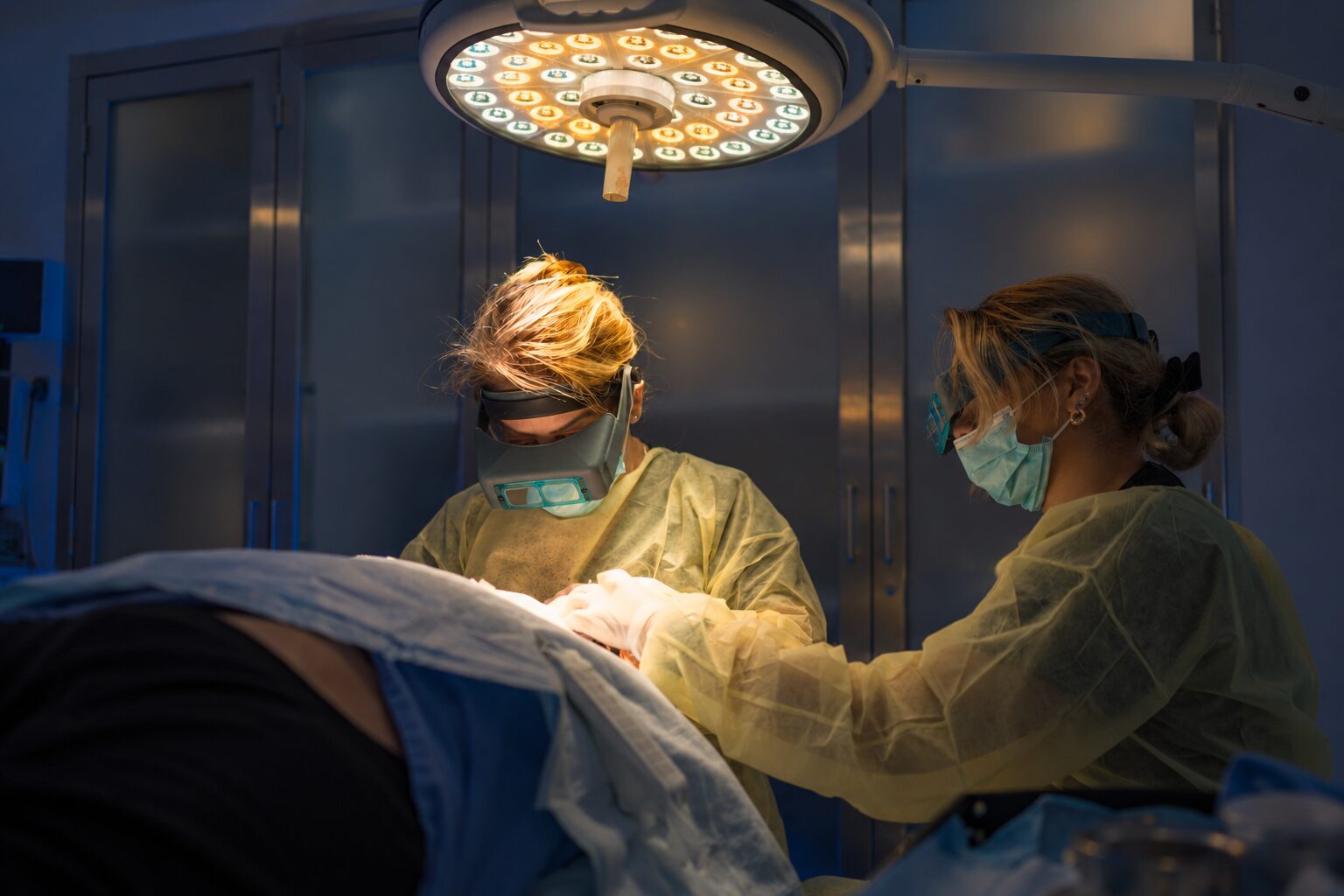
But Your Hair Can Be.
Weak follicles respond best when they are treated early, so the sooner we look, the more there is to work with.
Request a Free Consultation
No obligation • Same-week availability
How Long Does the PRP Treatment Take?
On average, a full session of PRP hair loss treatment at our New Jersey clinic takes about 60 to 90 minutes to complete. The procedure is relatively painless, thanks to the use of local anesthesia, which minimizes any discomfort. Since nothing is cut or stitched, PRP therapy leaves no scarring. You can conveniently drive yourself home afterward and be back at work or your usual routine by the following day. However, it’s wise to refrain from strenuous activities or exercises for a few days to ensure smooth recovery.
Positive results typically start to become apparent around 4 to 6 months following the initial treatment. For optimal outcomes, we recommend follow-up sessions every 3 to 4 months. PRP hair loss treatment in New Jersey can be used alone or combined with other treatments. A combined approach often leads to more effective hair loss management for healthy adults.
For more information or to schedule a consultation, please reach out to us. You are also welcome to browse patient stories and results in our before & after gallery.
Who Is an Ideal Candidate for PRP?
While PRP is a valuable hair restoration technique, it’s not a replacement for a hair transplant. However, it is an excellent option for early-stage hair loss, women with hair loss concerns, and as an adjunct to hair transplant procedures. Integrating PRP treatments can often yield the most optimal outcomes. You are likely a good fit if you have:
- Hair that is getting finer but still covers the scalp, meaning the follicles are alive
- A hereditary pattern of loss in men or women, diagnosed at an early stage
- Noticeably more hair on the pillow, brush or drain over the last few months
- No wish for surgery right now, or a planned transplant you want to back up
- Stable health, normal platelet counts and no clotting problems
- A clear view of the goal: thicker existing hair, not new follicles where none remain
Benefits of PRP Treatment
Why patients across Monmouth and Ocean counties ask about PRP first.
No Incisions
Nothing is cut or stitched. The plasma goes in through very fine needles, so there is no wound to care for and no scar to hide.
Sourced From You
Every drop injected is drawn from your own arm the same morning, which keeps the chance of an allergic or immune reaction very low.
Back at Work Tomorrow
Most people are back at their desk the following morning, with a little scalp tenderness at most and nothing to bandage.
Revives Struggling Roots
The concentrated growth factors target follicles that have begun to shrink, helping the hairs they produce come in thicker.
Supports Surgical Work
Added to an FUE or FUT plan, it helps protect the native hair next to the new grafts.
Short Appointments
Plan on 60 to 90 minutes at our Freehold office, with free parking and no overnight stay or long recovery to arrange.
PRP for Different Types of Hair Loss
Before we recommend PRP we work out why the hair is thinning, because the cause decides whether injections will help. These are the situations where we see it make the most sense:
- Hereditary thinning - receding temples, a widening part or a thinning crown, treated before the follicles shut down
- All-over thinning & heavy shedding - loss that spreads across the top of the head instead of leaving one clear patch
- After a transplant - extra support for the native hair around the grafts during recovery
- Thinning in women - a non-surgical step we often weigh alongside female hair restoration
Smooth, shiny areas where follicles have already died will not respond to plasma. For those zones a hair transplant is the realistic route, and we will tell you so at the first visit.
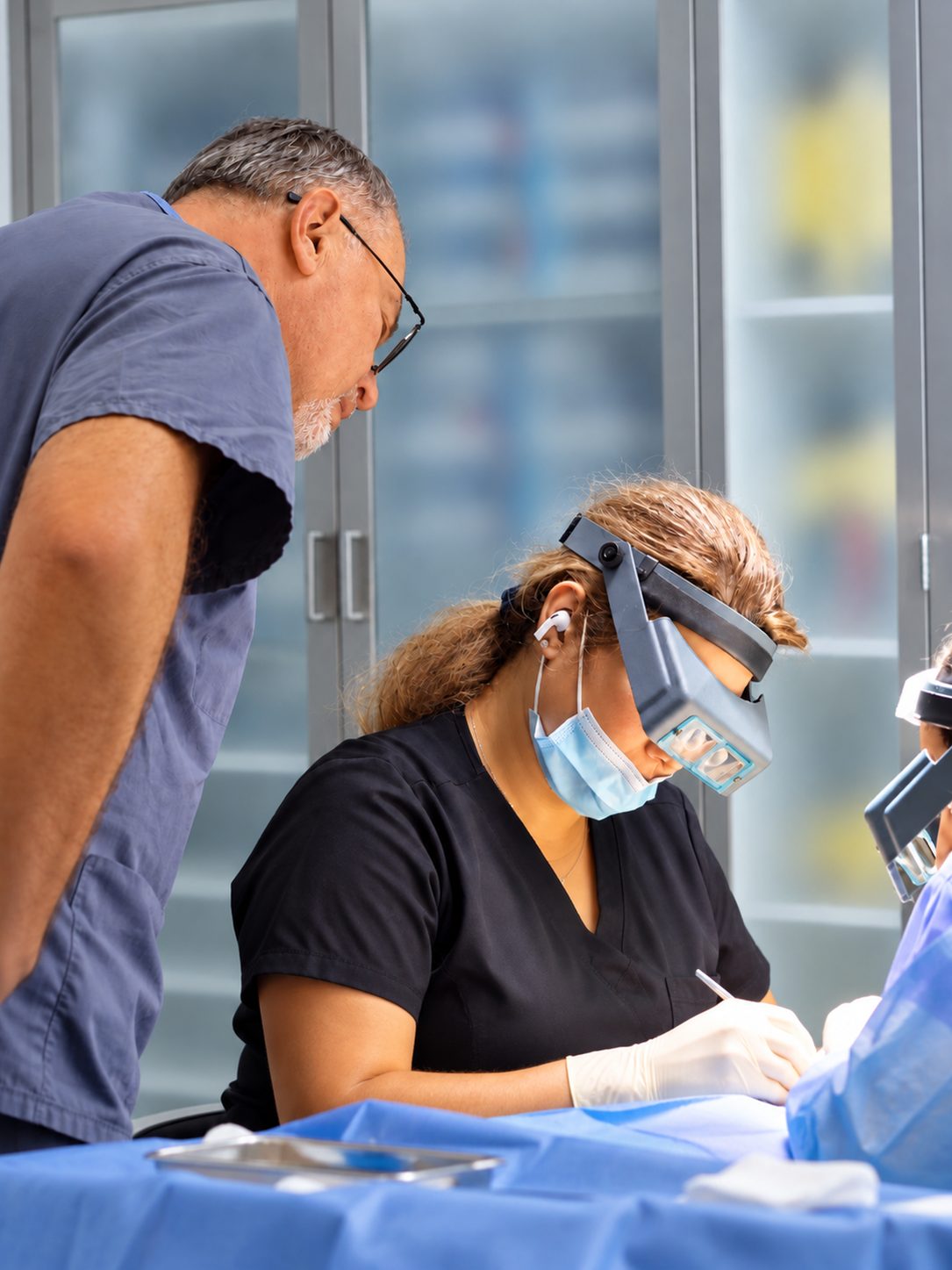
PRP Hair Loss Treatment in New Jersey
How well PRP works comes down to two things: how concentrated the plasma is and how accurately it is placed. Our Freehold protocol is designed around both, with each sample prepared fresh during your appointment.
Your blood is spun in a closed, sterile system that separates the platelet layer from red cells, and the concentrate is drawn up immediately so the growth factors are delivered while they are most active.
Injections are mapped to the thinning zones you and our team agreed on, rather than sprayed evenly across the scalp. The same planning discipline sits behind every procedure we run under the Nova Protocol™.
Because we offer both non-surgical care and surgical hair transplants, nobody here needs to sell you one over the other. Every PRP plan is overseen by Dr. Val Prokurat, MD.
Getting Ready for Your PRP Session
-
1
Have Breakfast, Hydrate
A normal meal and a few glasses of water beforehand make the blood draw quicker and help you avoid feeling lightheaded.
-
2
Pause Certain Medications
With your prescribing doctor's approval, hold off on aspirin, ibuprofen-type painkillers, blood thinners and alcohol for the days we specify, since they blunt platelet activity. You will get a written list ahead of time.
-
3
Come With Clean Hair
Shampoo that morning and leave out gel, wax, spray or dry shampoo. That is the whole checklist; most patients go straight back to their normal routine afterward.
PRP Recovery & Results Timeline
- Session Day
Expect 60 to 90 minutes in the chair once the scalp is numbed. A tight or slightly sore feeling where the needles went is normal and passes quickly.
- 24-48 Hrs
Give hard workouts, hot tubs and harsh styling products a rest for 48 hours. Most patients feel like themselves the next morning.
- Weeks 2-6
The earliest change is usually fewer hairs in the shower and on the brush, a sign the follicles are reacting.
- Months 4-6
Fuller-looking hair tends to show from the fourth month on and keeps improving gradually.
- Every 3-4 Mo
Maintenance visits each quarter keep the gains going, because the effect on the follicles fades without them.
How Does PRP Work?
PRP for hair loss taps into our body’s sophisticated healing mechanism, designed to repair injuries and rejuvenate aging tissues. Stem cells in our blood have the ability to transform into healthy connective tissues, initiating key growth factors crucial for regeneration and growth. By spinning blood in a centrifuge to extract platelet-rich plasma, these growth factors become highly concentrated.
The use of PRP in hair loss treatment is a relatively recent development compared to traditional approaches. For example, it has been successfully used in wound healing and skin rejuvenation. Specialists in sports medicine, orthopedics, dentistry and oral surgery, neurosurgery and cosmetic medicine have also recognized its benefits.
The idea behind using PRP for hair loss is based on the premise that the plasma’s growth-promoting properties could stimulate dormant hair follicles, thereby enhancing the body’s natural hair growth capabilities.
While PRP hair loss treatments are comparatively new, and comprehensive evidence of their effectiveness is still emerging, initial studies indicate that around 50% of those undergoing PRP treatments experience positive results.
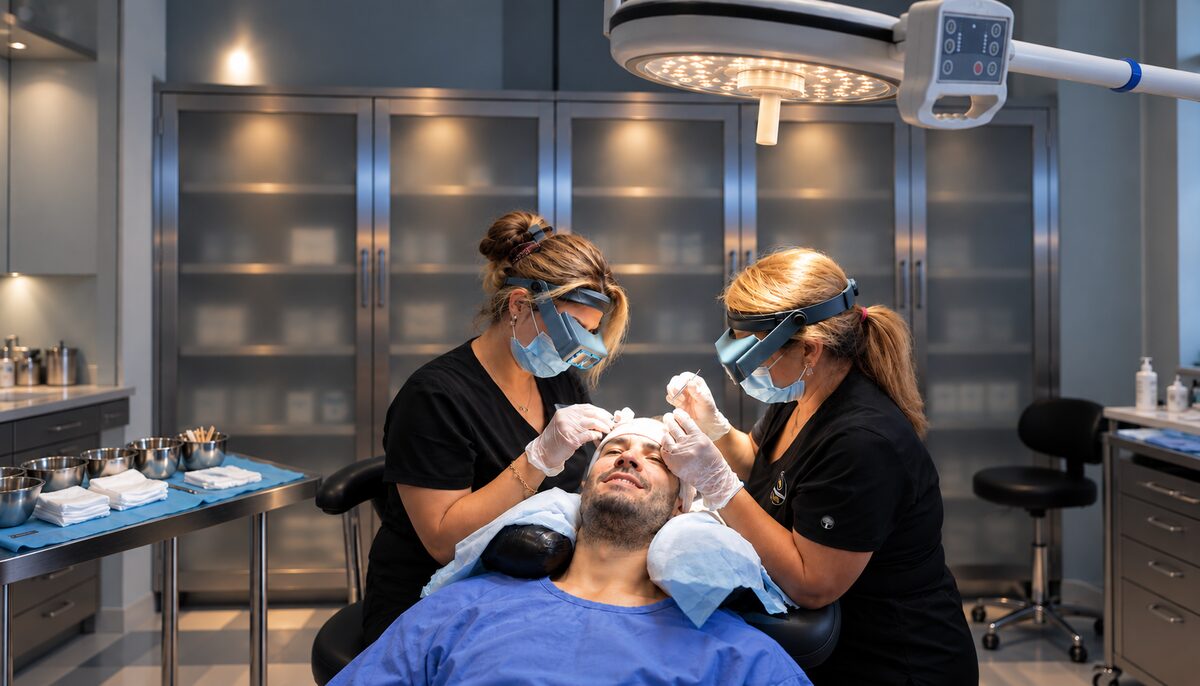
What Makes Our PRP Treatment Different?
Our PRP treatments rely on a modern preparation system designed to produce a highly concentrated plasma rather than a diluted one. Individual responses to PRP treatments vary, so we track your progress with photos at each visit and adjust the plan based on what we see.
Traditional PRP injection methods often fail to reach the necessary depth for effective hair growth stimulation. Our methodology is designed for precise, consistent delivery of PRP at the correct depth in the skin, carried out by trained members of our medical team under the oversight of Dr. Val Prokurat, MD.
Our patients get safe and carefully administered PRP procedures. They also get detailed information about their chosen treatments and honest advice about whether PRP is right for them. We also conduct detailed evaluations of other treatment options, tailored to each individual’s preferences and needs, to help you find the most suitable solution for enhancing and stabilizing your hair growth. Browse our results gallery to see real patient outcomes.